

Morocco E-Invoicing Compliance Solutions and Services

Affinity CRM Customer Records Connected
Get Started With Morocco DGI E-Invoicing Workflows
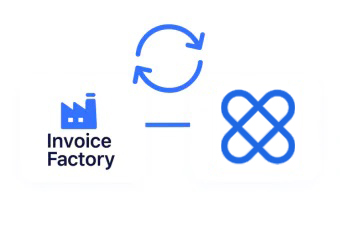
Affinity CRM customer and transaction records can connect through Advintek with Morocco’s DGI electronic invoicing workflow.
Powerful features

Compliance That Fits Affinity CRM Users

Affordable pricing for SMEs

Simple, Transparent Pricing

Starting from as low as

RM 20

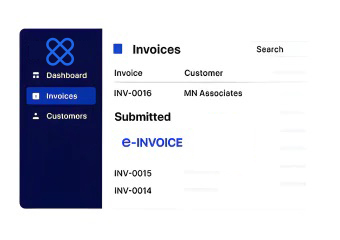
From Affinity CRM Records Toward Morocco DGI Electronic Invoice Processing

  • Customer Information Collected: Relevant customer, transaction, invoice, and available tax information is gathered from connected Affinity CRM records.
  • Invoice Context Established: Customer and transaction information is organized to provide the required context for electronic invoice preparation.
  • Data Quality Reviewed: Relevant invoice information is checked for completeness and consistency before moving through the connected workflow.
  • Electronic Structure Prepared: Suitable invoice information is arranged into a structured electronic representation for further processing.
  • DGI Process Connected: Prepared information can move through the applicable Morocco electronic invoicing process associated with the DGI.
  • CRM Information Reconciled: Relevant processing information can remain associated with the original Affinity CRM customer and transaction records.

Extending Affinity CRM With A Morocco DGI Invoice Connection

Affinity CRM centralizes customer relationships and related business information, while Advintek adds an electronic invoicing connection for Morocco’s DGI framework.

What Does Advintek’s Affinity CRM Connector Actually Do?
Why-Affinity-CRM-Users

Why Affinity CRM Fits Naturally Into A Connected Morocco Invoicing Process

  • Customer-Centric Invoice Preparation — Customer information already maintained in Affinity CRM can support organized invoice preparation activities.
  • More Consistent Transaction Details — Connected information helps maintain alignment between customer interactions and related invoice records.
  • Reduced Information Duplication — Existing CRM records can provide relevant details without repeatedly entering the same information manually.
  • Clearer Customer Invoice Context — Invoice information can remain connected to the customer and transaction details behind each record.
  • Improved Operational Visibility — Teams can follow relevant invoice activity without separating it completely from established CRM workflows.
  • Flexible Business Coordination — Electronic invoicing can operate alongside customer management activities as invoice requirements evolve.
Powerful features

Everything You Need for Morocco E-Invoicing in One Place

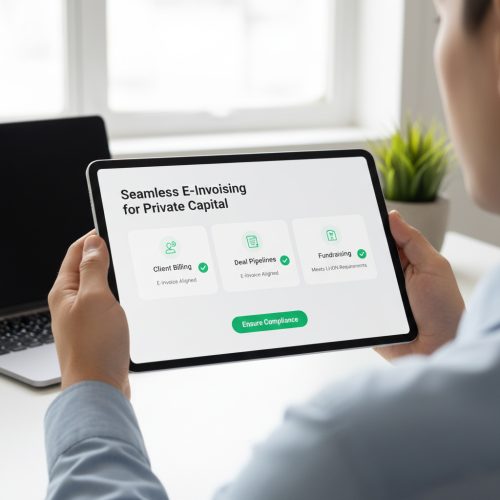
built for private capital

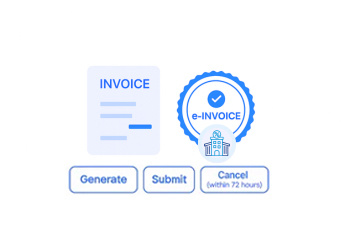
Aligning Affinity CRM Information With Morocco DGI Invoicing Requirements

Affinity CRM supplies customer and transaction information, while Advintek connects relevant data with Morocco’s DGI electronic invoicing framework.

Put Affinity CRM Data To Work

Within Morocco DGI E-Invoicing

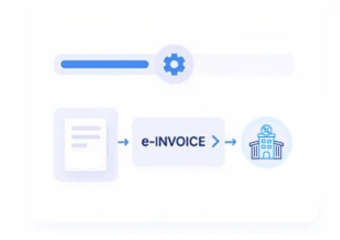
Connect Affinity CRM records with Morocco’s DGI e-invoicing workflow through Advintek.

If other CRM, ERP, accounting, or business platforms work alongside Affinity CRM, Advintek can connect those systems with the relevant Morocco e-invoicing workflow as well.

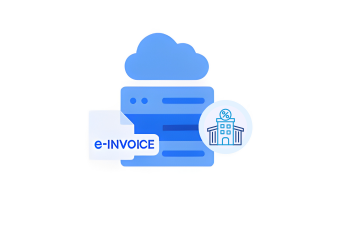
Ready e-Invoice System

0 % DGI

Frequently Asked Questions Affinity CRM E-Invoicing Morocco

Does Affinity CRM include Morocco DGI e-invoicing by default?

Affinity CRM can manage customer and related business information, while Advintek provides the connection between those records and Morocco’s DGI e-invoicing workflow.

Depending on the connected setup, customer, transaction, invoice, and relevant tax information can be incorporated into electronic invoice workflows.

Advintek connects relevant CRM information with the applicable electronic invoicing workflow, allowing customer and transaction data to support invoice processing.

The integration can maintain relationships between invoice information and the originating Affinity CRM customer or transaction records.

The connected approach can accommodate increasing invoice activity while keeping customer information and established CRM processes involved.