

Morocco E-Invoicing Compliance Solutions and Services

Oracle E-Business Suite Built For
Get Started Morocco DGI E-Invoicing Workflows
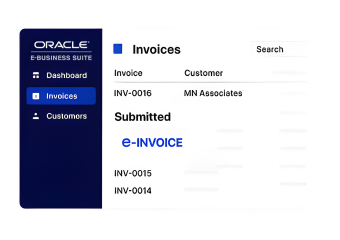
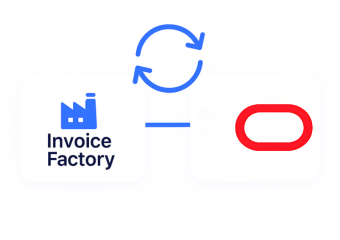
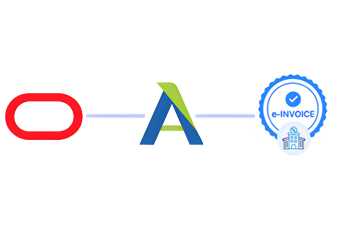
Oracle E-Business Suite connects with Advintek to support structured Morocco e-invoicing workflows through DGI requirements.
Powerful features

Compliance That Fits Oracle EBS Users

Affordable pricing for SMEs

Simple, Transparent Pricing

Starting from as low as

RM 20

How Oracle E-Business Suite Moves Invoices Toward DGI

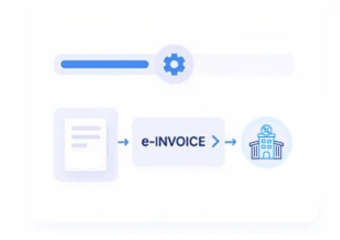
  • Transaction Details Gathered: Invoice information from Oracle E-Business Suite is collected with relevant customer, product, and financial transaction details.
  • DGI Requirements Considered: Applicable Morocco DGI invoicing requirements are reviewed against the information prepared within the connected workflow.
  • Invoice Information Reviewed: Key fields are checked for completeness and consistency before electronic invoice data moves further.
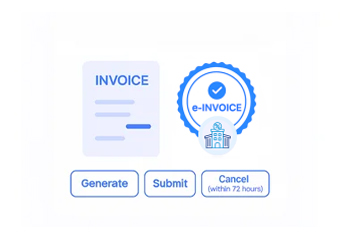
  • Electronic Structure Prepared: Valid invoice information is arranged into the appropriate structure required for the applicable electronic invoicing process.
  • Submission Workflow Initiated: Prepared information can proceed through the connected process supporting interaction with the relevant DGI framework.
  • ERP Records Updated: Processing outcomes and related information can be reflected back within connected Oracle E-Business Suite records.

Extending Oracle E-Business Suite Into Morocco E-Invoicing

Oracle E-Business Suite manages core enterprise transactions, while Advintek adds a dedicated layer for organizing and processing Morocco e-invoicing information in line with DGI requirements.

ما هو موصل الفاتورة الإلكترونية
Why-Affinity-CRM-Users

Business Gains From Oracle E-Business Suite E-Invoicing

  • Cleaner Transaction Handoffs: Invoice information moves between enterprise processes in an organized manner, reducing unnecessary manual re-entry during electronic invoicing activities.
  • Connected Customer Information: Customer details remain associated with relevant transactions, helping teams work from consistent invoice information throughout processing.
  • Better Invoice Traceability: Teams can follow invoice information across preparation and processing stages without separating electronic invoicing from established ERP records.
  • Structured Financial Processes: Existing financial workflows provide a dependable source for organizing transaction information before electronic invoice processing begins.
  • Reduced Process Disruption: Electronic invoicing activities can be introduced around established Oracle workflows while keeping core business processes familiar.
  • Support For Growing Volumes: Organized invoice handling gives larger operations a practical way to manage increasing transaction activity through connected processes.
Powerful features

Everything You Need for Morocco E-Invoicing in One Place

Heading (48)

Keeping Oracle E-Business Suite Aligned With DGI Processes

Oracle E-Business Suite supplies the underlying transaction information, while Advintek organizes that information into a connected Morocco e-invoicing workflow supporting DGI-related processing.

Oracle E-Business Suite Compliance for

Your Morocco E-Invoicing Workflow

Start connecting Oracle E-Business Suite with Morocco e-invoicing processes through Advintek.

Advintek connects ERP, CRM, accounting, and business applications with Oracle E-Business Suite for Morocco e-invoicing workflows.

Ready e-Invoice System

0 % DGI

Frequently Asked Questions Oracle EBS E-Invoicing Morocco

Does Oracle E-Business Suite natively provide Morocco DGI e-invoicing?

Oracle E-Business Suite manages enterprise transactions, but Advintek provides the connected layer for Morocco electronic invoicing workflows.

Relevant invoice, customer, transaction, financial, and tax-related information can be incorporated when applicable to the invoicing process.

Advintek connects ERP transaction information with the applicable Morocco e-invoicing workflow and supports structured processing around DGI requirements.

Yes. The connected approach is designed to maintain relationships between relevant ERP transactions and associated electronic invoice information.

The structured approach can support growing transaction volumes while keeping electronic invoicing connected with established enterprise workflows.